This (FAQs) section is designed to provide clarity and address common inquiries about our products and services. Recognizing that our customers may have specific questions or need further understanding about cedar shakes, shingles, and related topics, we’ve curated a list of the most commonly posed questions, accompanied by concise answers. This section serves as a quick reference guide, offering insights into product specifications, maintenance recommendations, and the benefits of choosing cedar. By consulting our FAQs, customers can make informed decisions and gain a deeper appreciation of the value and quality we offer.
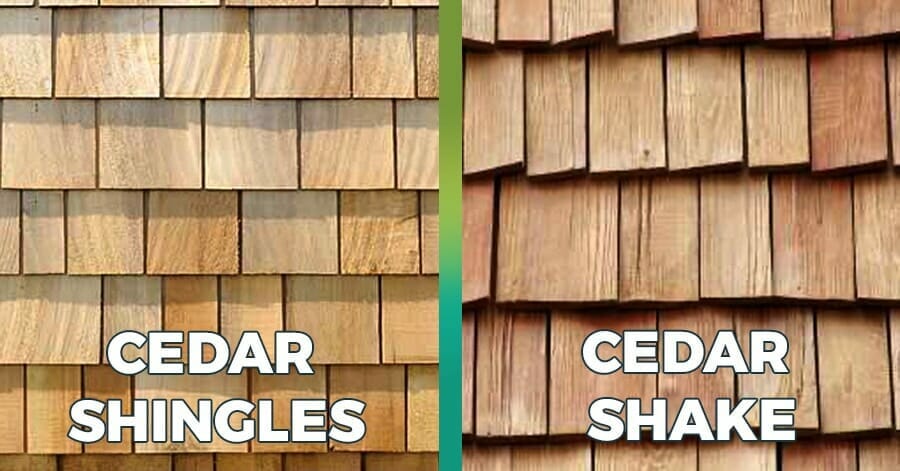
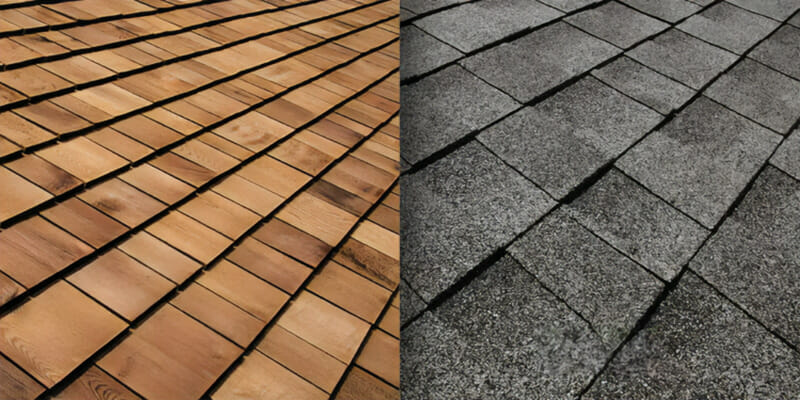
Cedar shingles and shakes, while both crafted from the same resilient wood, differ notably in their appearance and production. Cedar shingles are sawn on both sides, resulting in a smoother and more uniform finish, making them a favored choice for projects seeking a polished and consistent look. In contrast, cedar shakes are either hand-split or sawn on one side and hand-split on the other, leading to a more textured and rugged appearance. This gives shakes a traditional, rustic charm that's often sought after for heritage or countryside properties. The decision between shingles and shakes typically hinges on the desired aesthetic and architectural design of the structure.
Cedar shakes, with their hand-split crafting, exude a raw, authentic charm. This method of production results in a textured, rugged surface, capturing the essence of traditional craftsmanship. Their thickness often surpasses that of shingles, adding to their robust and hearty appearance. Cedar shingles, in contrast, are precision-cut, providing a sleek and even finish. Their smooth, sawn surface radiates a contemporary elegance, making them suitable for projects that lean towards a modern aesthetic. Both shakes and shingles harness the innate beauty and resilience of cedar, ensuring longevity and aesthetic appeal. However, the decision to opt for one over the other is usually influenced by individual aesthetic tastes and the architectural vision for the property. Whether you're aiming for a vintage allure or a modern sophistication, cedar offers a solution tailored to your design aspirations.
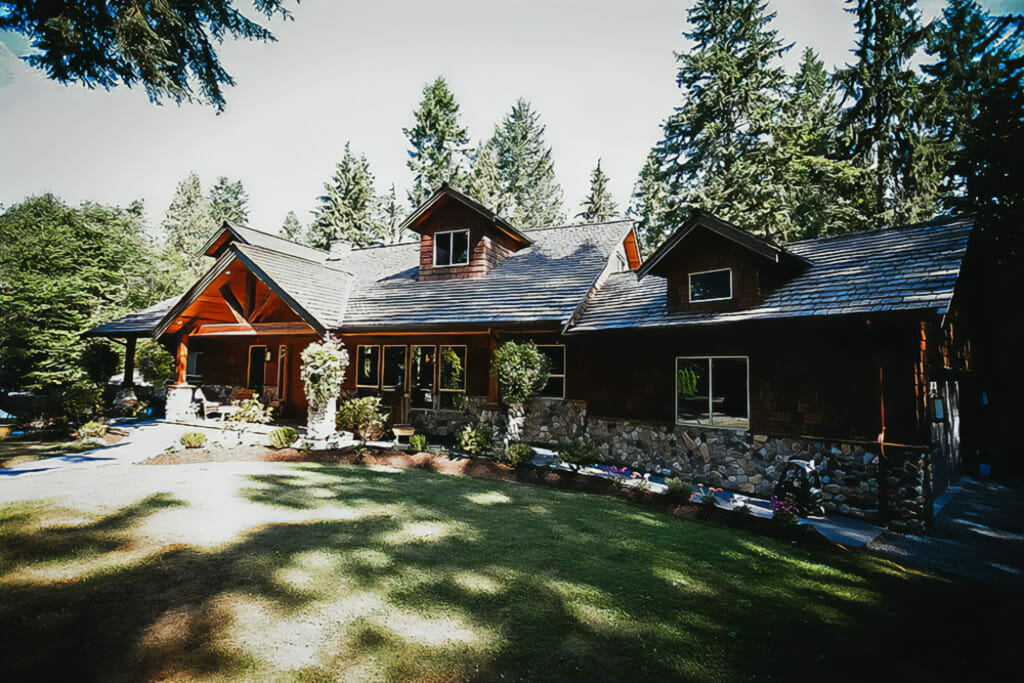
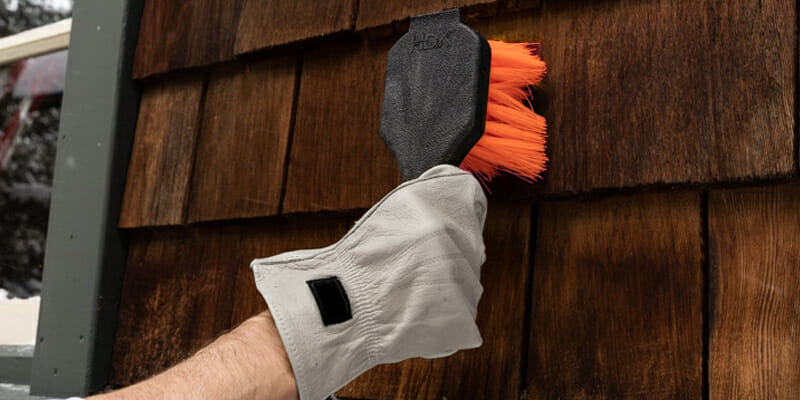
When cared for diligently, cedar shakes and shingles stand as a testament to the longevity and resilience of natural materials. Their inherent properties, combined with regular upkeep, allow them to endure the elements for an impressive 30 to 40 years. This lifespan can even extend beyond these decades with meticulous attention to detail. Factors such as periodic cleaning to remove debris, treating the cedar to prevent fungal growth, and ensuring proper ventilation can significantly enhance their durability. The initial investment in cedar not only brings an aesthetic appeal to structures but also promises a long-term roofing or siding solution. This enduring nature of cedar, paired with its timeless beauty, makes it a favored choice for homeowners and architects alike, seeking both form and function.
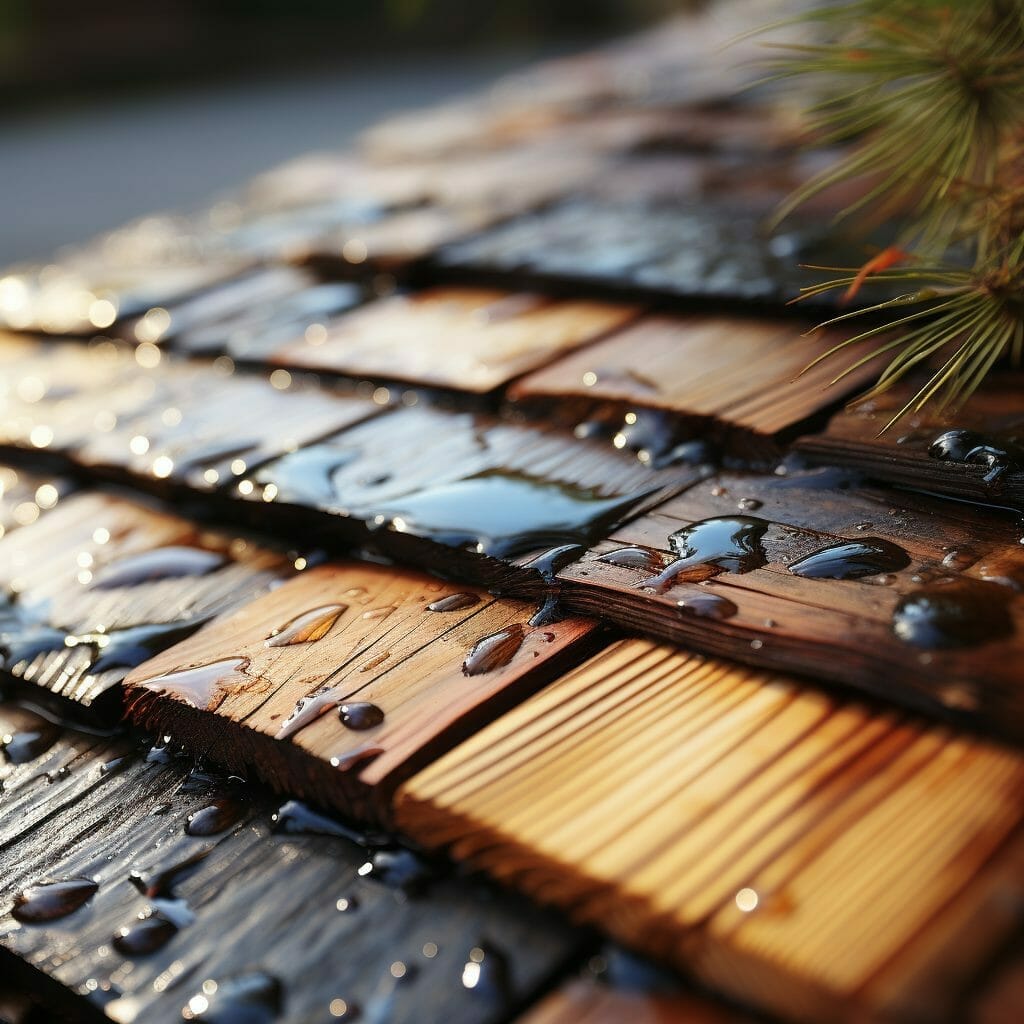
Cedar shakes and shingles are emblematic of sustainable and eco-friendly building materials. Derived from cedar trees, a renewable resource, their production has a lower carbon footprint compared to many synthetic alternatives. Cedar forests are often managed sustainably, ensuring that for every tree harvested, several more are planted, promoting a continuous cycle of growth and harvest. Moreover, cedar's natural insulating properties mean homes with cedar roofing or siding require less energy for heating and cooling, further reducing the environmental impact. Additionally, at the end of their lifespan, cedar shakes and shingles are biodegradable, returning to the earth without leaving harmful residues. Thus, choosing cedar not only enhances the aesthetic appeal of a structure but also aligns with eco-conscious building practices.
While cedar's initial investment might be higher than other materials, its long-term benefits offer substantial value. Cedar's durability means fewer replacements over time, leading to long-term savings. Moreover, its timeless beauty can elevate a property's aesthetic and market value. Thus, when considering the lifespan and appeal of cedar, it emerges as a cost-effective choice for discerning homeowners and builders.
While cedar's initial investment might be higher than other materials, its long-term benefits offer substantial value. Cedar's durability means fewer replacements over time, leading to long-term savings. Moreover, its timeless beauty can elevate a property's aesthetic and market value. Thus, when considering the lifespan and appeal of cedar, it emerges as a cost-effective choice for discerning homeowners and builders.
While cedar's initial investment might be higher than other materials, its long-term benefits offer substantial value. Cedar's durability means fewer replacements over time, leading to long-term savings. Moreover, its timeless beauty can elevate a property's aesthetic and market value. Thus, when considering the lifespan and appeal of cedar, it emerges as a cost-effective choice for discerning homeowners and builders.
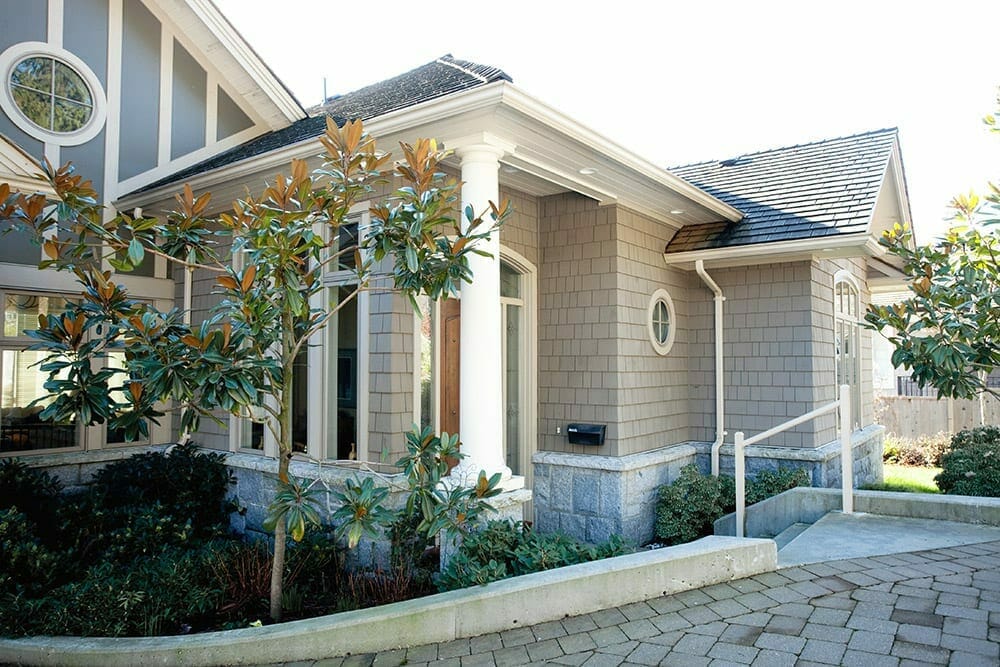
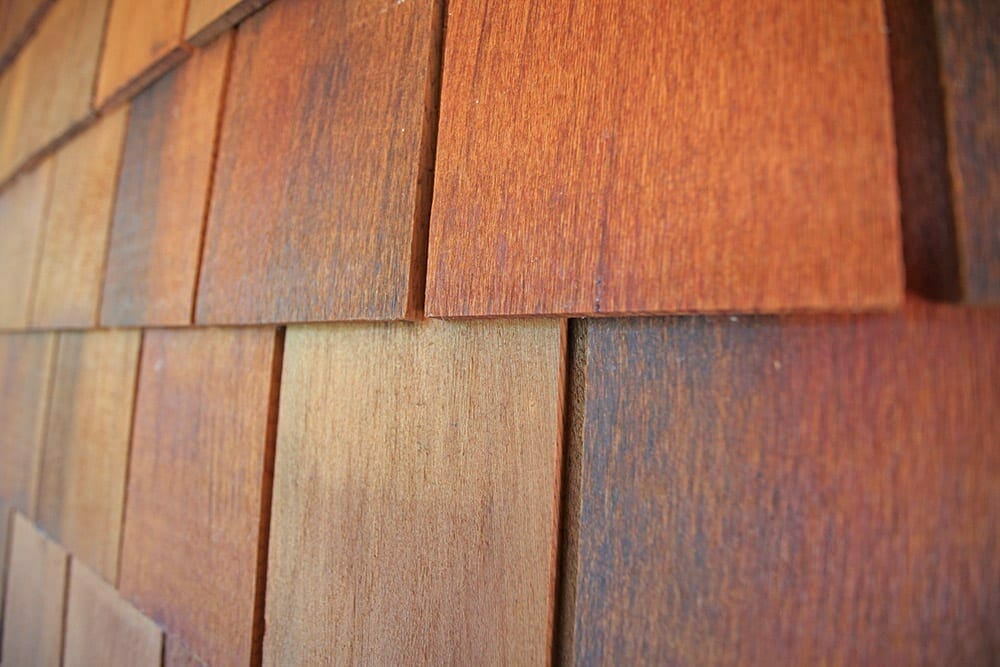
Absolutely, cedar is renowned for its adaptability to various finishes. Its naturally porous surface ensures that it absorbs stains and paints effectively, resulting in a vibrant and long-lasting finish. This quality allows homeowners and builders to customize cedar to align with specific aesthetic preferences or architectural styles. Whether you're aiming for a rustic charm with a deep stain or a contemporary look with a fresh coat of paint, cedar serves as the perfect canvas, ensuring both beauty and versatility in design choices.
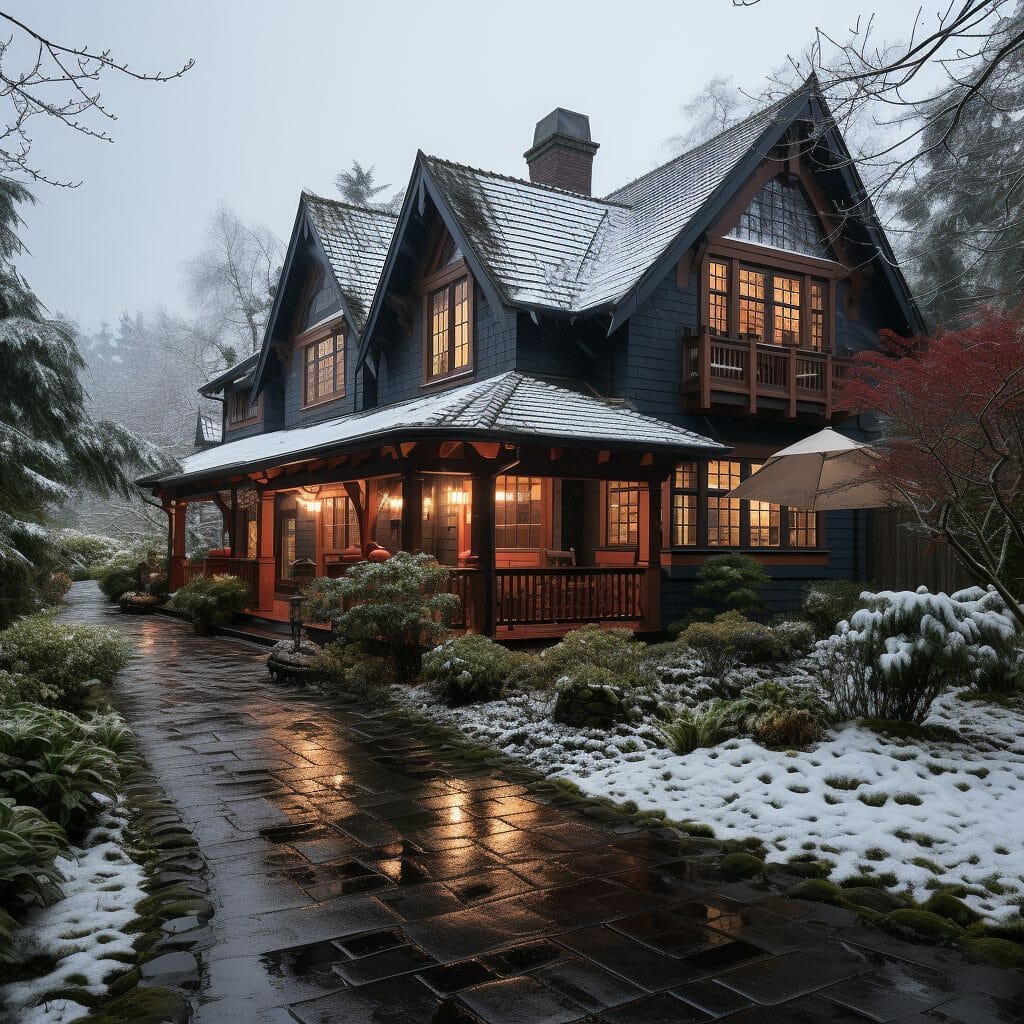
Cedar stands out for its innate thermal properties, acting as a natural insulator. Its unique cellular structure effectively traps air, reducing the transfer of heat in summer and retaining warmth during colder months. This means homes with cedar roofing or siding can maintain a more consistent internal temperature, regardless of external weather conditions. Whether you're in a sun-drenched locale or a frosty region, cedar's insulating capabilities ensure optimal comfort, making it a versatile choice for diverse climates and enhancing energy efficiency.
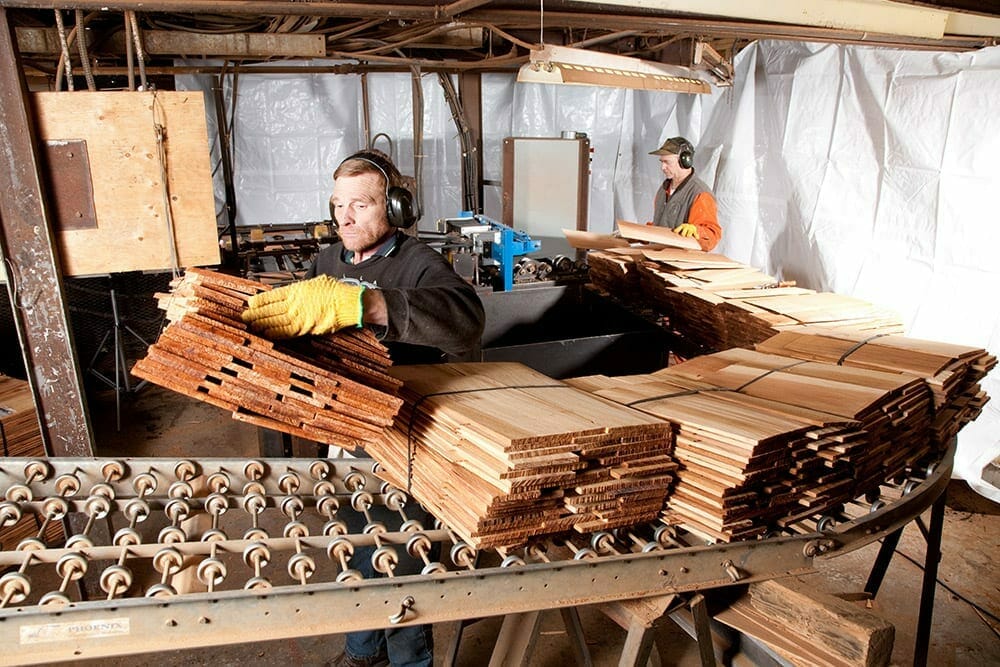
While cedar, in its natural state, doesn't possess innate fire-resistant qualities, modern advancements have introduced treatments that can significantly bolster its resistance to flames. These specialized treatments, when applied to cedar, form a protective barrier that reduces the wood's susceptibility to fire. This ensures that cedar can meet safety standards and building codes, providing homeowners with an added layer of security. By combining cedar's natural beauty with these advanced fire-resistant treatments, one can enjoy the aesthetic appeal of the wood while ensuring a safer environment for structures and their occupants.